LayerZero Deep Dive: The Omnichain Interoperability Protocol
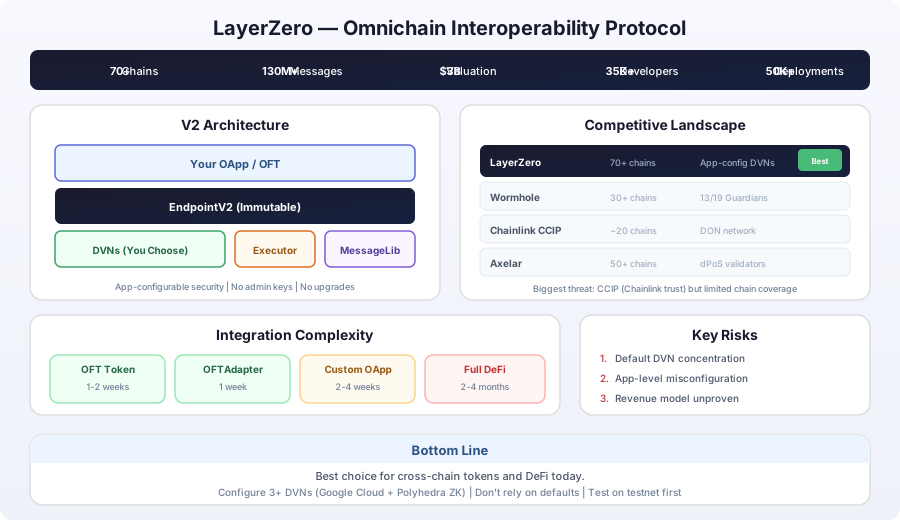
LayerZero is the leading omnichain interoperability protocol, connecting 70+ blockchains with 130M+ cross-chain messages delivered. Backed by $263M from a16z and Sequoia at a $3B valuation, it has attracted 35,000+ developers and 50,000+ deployments. We conducted a full market + technical deep dive. Here’s what we found.
V2 Architecture
LayerZero V2 (launched 2024) was a major overhaul. The old Oracle+Relayer model — widely criticized for centralization — was replaced with Decentralized Verifier Networks (DVNs). The core Endpoint contracts are now immutable: no admin keys, no upgrades, no governance attacks.
The key innovation: each application chooses its own security configuration. You pick which DVNs verify your messages — Google Cloud DVN, Polyhedra ZK DVN, or run your own. This is fundamentally different from competitors where security is protocol-level and one-size-fits-all.
Competitive Landscape
| Protocol | Chains | Security Model | Strength |
|---|---|---|---|
| LayerZero | 70+ | App-configurable DVNs | Flexibility + coverage |
| Wormhole | 30+ | Guardian multisig (13/19) | Solana ecosystem |
| Chainlink CCIP | ~20 | Chainlink oracle network | Institutional trust |
| Axelar | 50+ | dPoS validators | Cosmos ecosystem |
| Hyperlane | 35+ | Permissionless ISMs | Customizability |
LayerZero’s moat is the combination of largest chain coverage, app-configurable security, and immutable core protocol. Once a protocol deploys OFTs on LayerZero, switching costs are high.
The biggest competitive threat is Chainlink CCIP — backed by Chainlink’s oracle network trust, though currently limited to ~20 chains.
Building on LayerZero
The developer experience is strong. npx create-lz-oapp@latest scaffolds a full project with Hardhat + Foundry support. The OFT (Omnichain Fungible Token) standard is the most mature cross-chain token standard available — used by Tether for USDT0.
| Pattern | Complexity | Timeline |
|---|---|---|
| OFT Token | Low | 1-2 weeks |
| OFTAdapter (wrap existing) | Low | 1 week |
| Custom OApp messaging | Medium | 2-4 weeks |
| Full cross-chain DeFi | High | 2-4 months |
Integration with a Rust backend is feasible via ethers-rs / alloy for contract interactions, plus REST listener for off-chain components. The Solidity contracts compile with Foundry out of the box.
Key Risks
-
Default DVN concentration — Most apps use LayerZero Labs’ DVN as a required verifier. Despite V2’s decentralization improvements, practical centralization persists.
-
App-level misconfiguration — Security is pushed to developers. A poorly configured DVN set creates a single point of failure.
-
Revenue model unproven — Protocol fees are small per message; valuation relies on ecosystem growth and ZRO token appreciation.
Bottom Line
If you’re building cross-chain tokens or DeFi, LayerZero is the strongest choice today. The OFT standard is mature, well-audited, and has the widest chain coverage. Configure a robust DVN set (3+ DVNs including Google Cloud and Polyhedra ZK), don’t rely on defaults, and test thoroughly on testnets before mainnet.