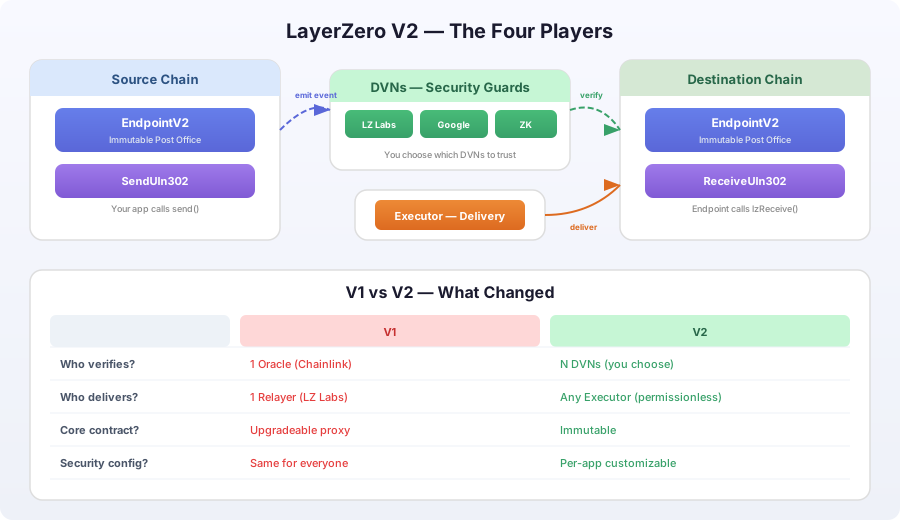
LayerZero V2 Part 4: OFT Token Bridging

This is Part 4 of a series on LayerZero V2. Part 1 covers the basics.

/images/part4-oft-bridging.svg

OFT (Omnichain Fungible Token) is the most common application built on LayerZero. It moves ERC20 tokens between chains.

The Lock-and-Mint Model

Ethereum (Home Chain)              L2 Chains (Arb, Base, Opt)
┌──────────────────┐              ┌──────────────────┐
│ Your ERC20 Token │              │ OFT Contract     │
│ (real token)     │              │ (synthetic token) │
└────────┬─────────┘              └────────┬─────────┘
         │                                 │
┌────────┴─────────┐                       │
│ OFTAdapter       │ ◄── LayerZero ──────► │
│ LOCKS tokens     │     message           │ MINTS tokens
│ when bridging out│                       │ when receiving
│ UNLOCKS tokens   │                       │ BURNS tokens
│ when bridging in │                       │ when sending
└──────────────────┘                       │

Bridge OUT (Ethereum → Arbitrum):
LayerZero V2 Part 3: The DVN Security Model

This is Part 3 of a series on LayerZero V2. Part 1 covers the basics, Part 2 covers the message lifecycle.

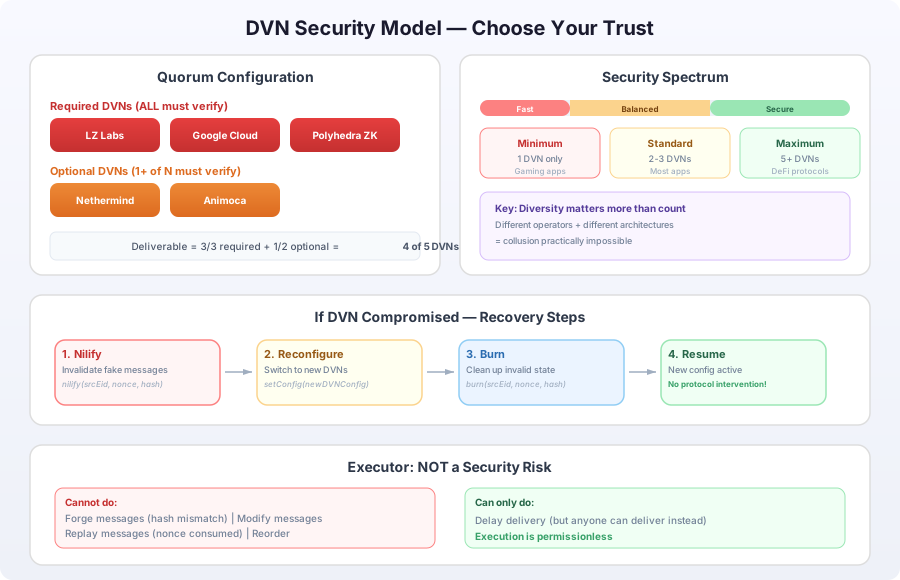
/images/part3-dvn-security.svg

The DVN security model is the most important part of LayerZero V2. It determines who you trust and how much.

How DVN Configuration Works

Every app sets its own DVN configuration per pathway (source chain → destination chain):

My App's Security Config:
  Required DVNs:  [LayerZero Labs, Google Cloud]    ← BOTH must verify
  Optional DVNs:  [Polyhedra ZK, Nethermind]        ← At least 1 must verify
  Threshold:      1

A message is deliverable when:

LayerZero V2 Part 2: How a Message Travels

This is Part 2 of a series on LayerZero V2. Part 1 covers the basics.

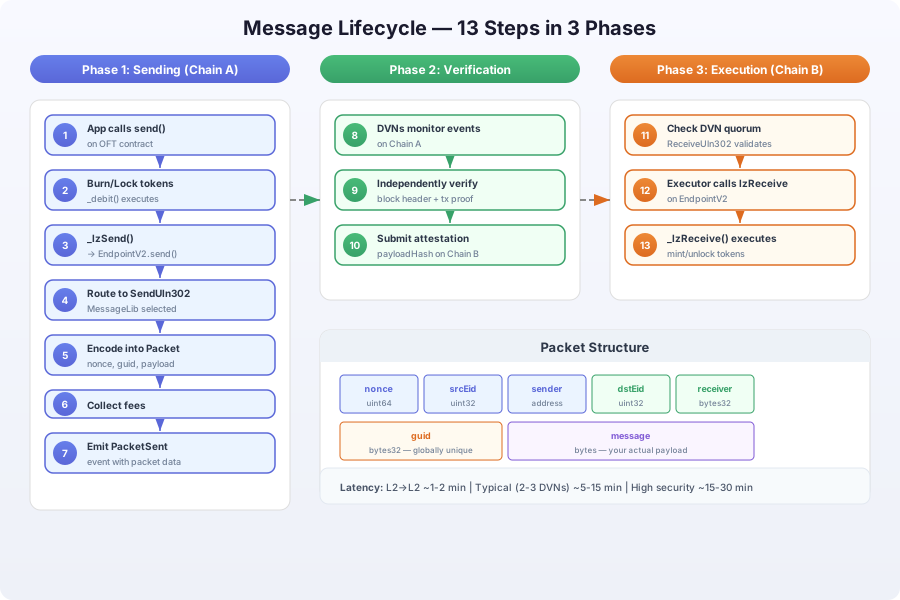
/images/part2-message-lifecycle.svg

Let’s trace a message from Chain A to Chain B, step by step.

Phase 1: Sending (Chain A)

Step 1:  Your app calls send() on the OFT contract
Step 2:  OFT burns/locks tokens and builds the message
Step 3:  OFT calls _lzSend() → EndpointV2.send()
Step 4:  Endpoint routes to SendUln302 (the MessageLib)
Step 5:  SendUln302 encodes the message into a Packet
Step 6:  SendUln302 collects fees (DVN + Executor + treasury)
Step 7:  SendUln302 emits an event with the packet data

At this point, the message exists on Chain A as an event log. Nothing has happened on Chain B yet.