OpenClaw Code Deep Dive Part 3: Security, Quality & Verdict
Part 3 covers OpenClaw's Docker sandbox, security audit system, code quality strengths and concerns, ecosystem risks, and our final assessment.
We built a cross-chain ERC20 token bridge using LayerZero V2. It moves BRG tokens across Ethereum, Arbitrum, Base, and Optimism — 12 directional pathways, all trustless, with multi-DVN verification. This post walks through the actual code. The full source is at github.com/gnuser/brg-bridge.
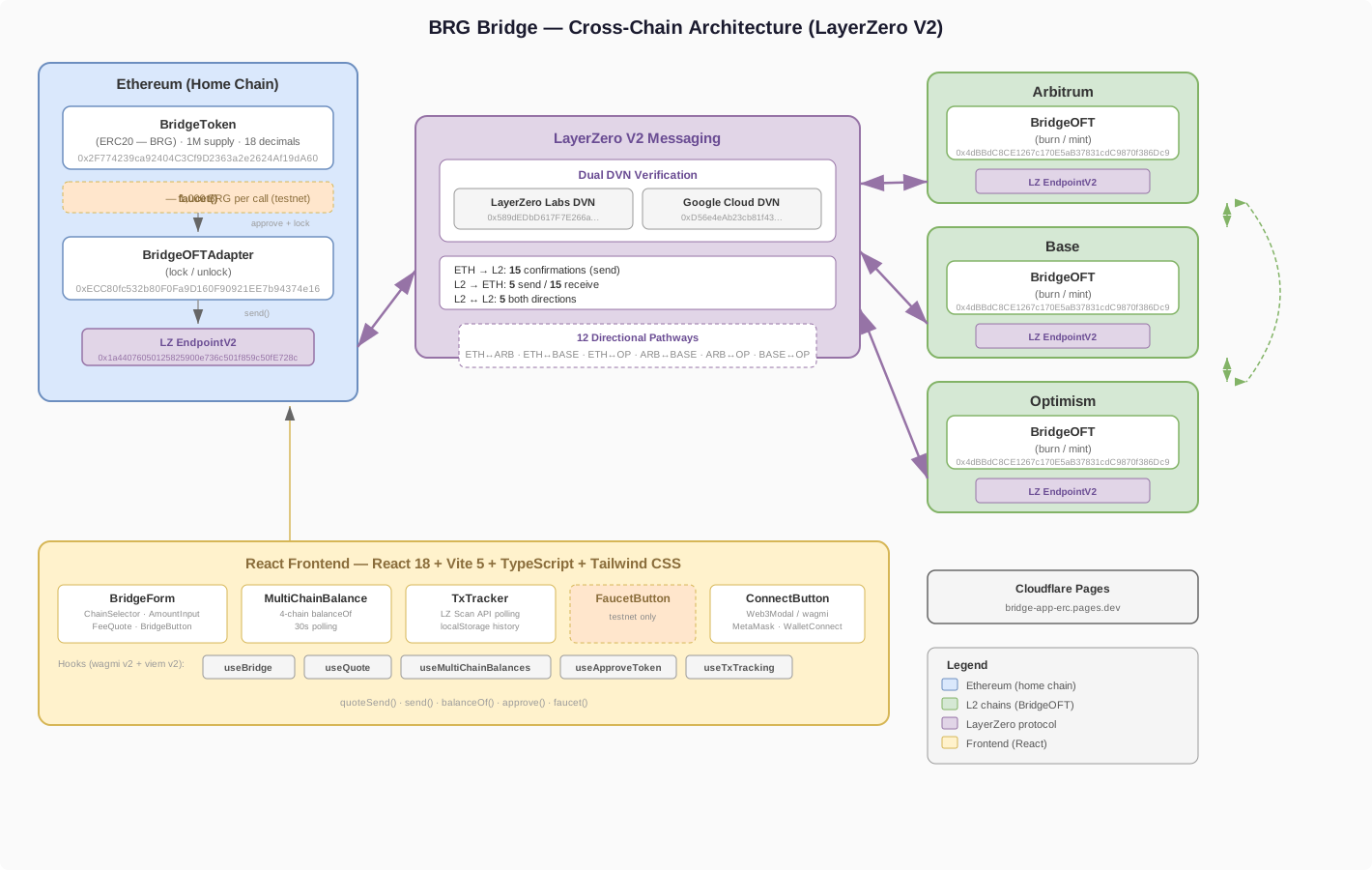
The bridge uses LayerZero’s OFT (Omnichain Fungible Token) standard:
BridgeOFTAdapter locks ERC20 tokens when bridging out, unlocks when bridging back.BridgeOFT mints synthetic tokens on receive, burns on send. No pre-minted supply.Total supply is always conserved: locked on Ethereum = minted across L2s.
This is Part 6 of a series on LayerZero V2. Part 1 covers the basics.
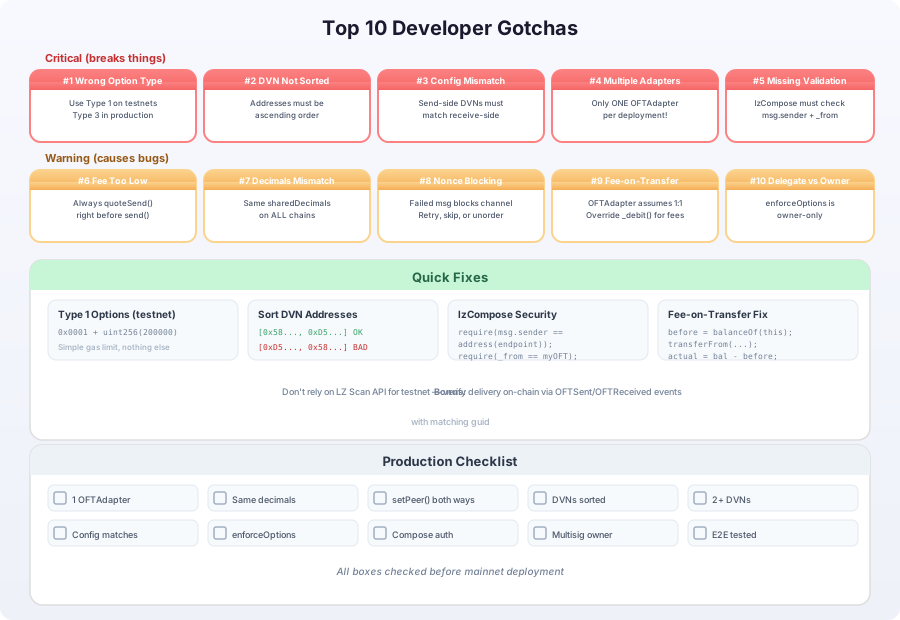
These are the mistakes that cost us time building the BRG Bridge. Learn from our pain.
What happens: You use Type 3 options (the recommended format), but the testnet pathway doesn’t have Type 3 ULN config set. Transaction reverts with LZ_ULN_InvalidWorkerOptions.
This is Part 5 of a series on LayerZero V2. Part 1 covers the basics.
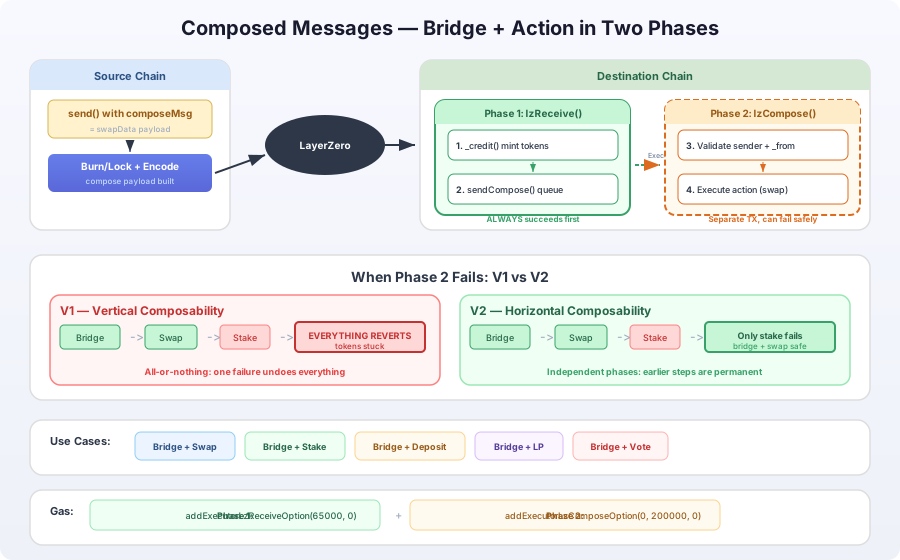
Sometimes you want to bridge tokens AND do something with them in one operation. Bridge USDC to Arbitrum and immediately swap it for ETH. Bridge tokens and stake them. LayerZero V2 calls this composed messages.
In V1, composed operations were all-or-nothing. If you bridged + swapped + staked, and the staking failed, the ENTIRE transaction reverted — including the bridge. Your tokens got stuck in limbo.